
+68 ppm
Available nitrogen
About 335% of the nitrogen in the starting corn residue, pointing to biological fixation as well as recovery. Matching it with urea at $625/ton would take about 329 lb/ac.
≈ $102/ac of nitrogen
Protocol · Decomposer
Turn Crop Residue Into a Fertility Resource.
Recover nutrients. Improve residue breakdown. Build soil biology for the crop that follows.
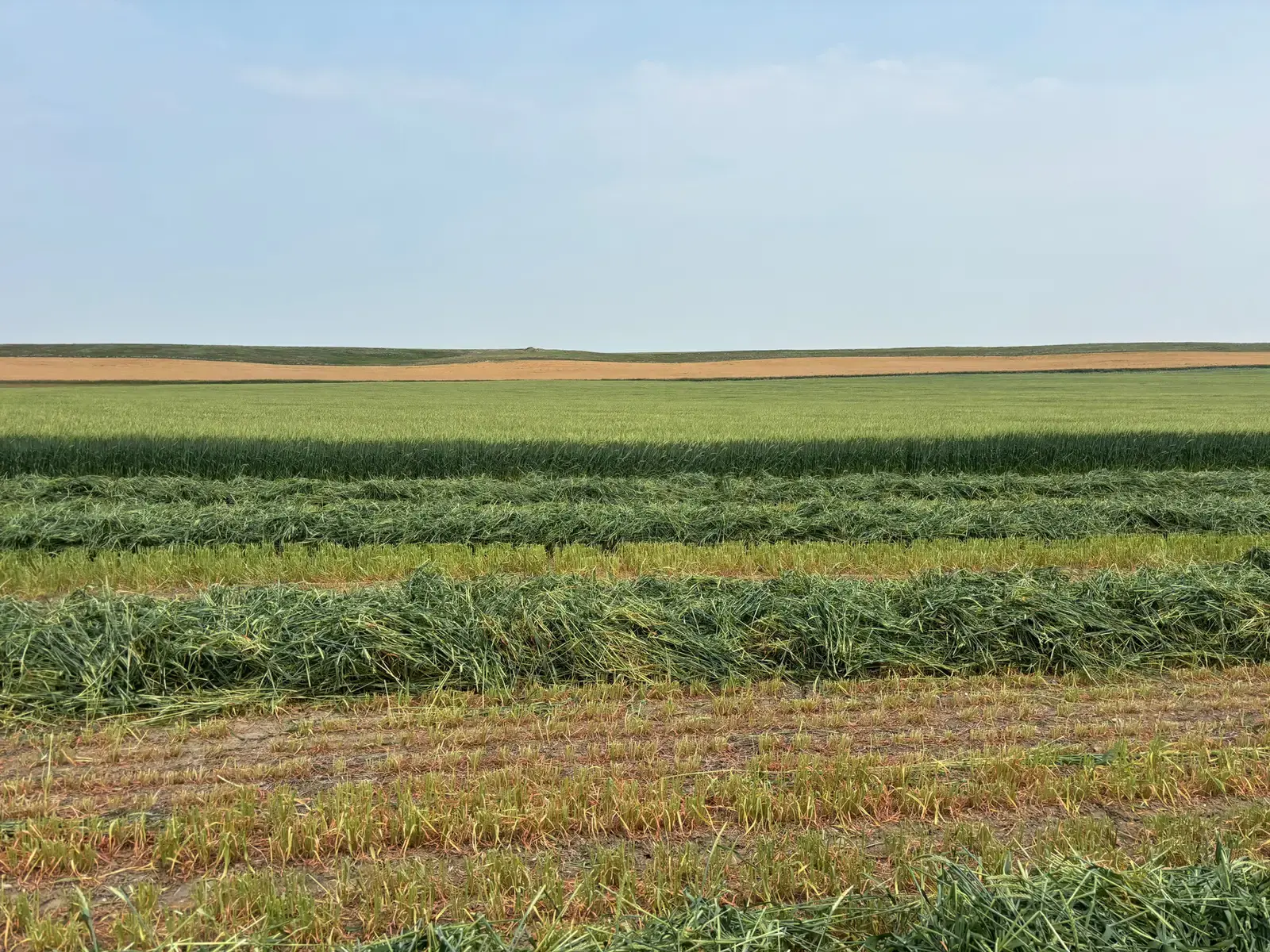
What Is Decomposer?
MetaGrow™ Decomposer is a shelf-stable, broad-spectrum microbial inoculant designed to break down crop residue and convert nutrients locked in plant material into usable fertility for the next crop.
Residue contains fertility. Decomposer is designed to help recover more value from that residue and cycle it into the next crop.
How Decomposer Works
Microbes colonize residue and break down cellulose, lignin and other organic material. Chopping, rolling or incorporation gives them more surface to work.
As residue decomposes, nutrients contained in the previous crop are released and recycled through the soil.
Nitrogen-fixing microbes working through high-carbon residue can contribute additional nitrogen to the system.
Decomposition adds carbon to the soil and supports a larger, more diverse microbial population.
Potentially recovered nutrients
This can improve
The Fertility Opportunity
The primary economic value of Decomposer is recovering fertilizer value already present in the field. The opportunity is calculated from:
Best Crop Candidates
The strongest candidates are crops with high C:N residue, lignin, cellulose, or tough stalks and stems.
High-fit crops
Also evaluated: soybeans, peanuts and oats (medium fit) and potatoes (lower fit).
Ways We Use Decomposer
Decomposer isn't one standardized protocol. It's built around what each field can recover.
Recover nitrogen from crop residue and support biological N fixation to reduce the following crop's purchased nitrogen. Best fit for fields with significant residue and a large N budget.
Recover phosphorus from residue and improve P availability from existing soil reserves. Especially valuable when a field already has adequate P but the farm keeps buying it.
Recover both nitrogen and phosphorus to cut the next crop's fertilizer budget. Often the strongest economic application, because it addresses two of the largest fertility expenses at once.
Build the program around the field's full nutrient inventory (N, P, K, S, Ca and micronutrients) to see how much of the next crop's fertility can come from what's already there.
Application
Final rate and timing depend on residue type and volume, lignin content, soil conditions and program goals. Decomposer is shelf-stable and goes on through standard spray, irrigation and injection systems.
Field Evidence
A Midwest corn trial evaluated MetaGrow™ Decomposer's ability to improve nutrient availability from crop residue. The program was applied before light tillage at a total material cost of $34/ac, and spring soil tests compared treated and untreated areas.
+68 ppm
About 335% of the nitrogen in the starting corn residue, pointing to biological fixation as well as recovery. Matching it with urea at $625/ton would take about 329 lb/ac.
≈ $102/ac of nitrogen
+83 ppm
Spring available P was 150% higher than the untreated control. Matching it with MAP at $955/ton would take about 733 lb/ac.
≈ $350/ac of phosphorus
$34/ac
Applied before light tillage. Spring soil tests compared treated and untreated areas.
Crop Programs
See how Decomposer fits into each crop program.
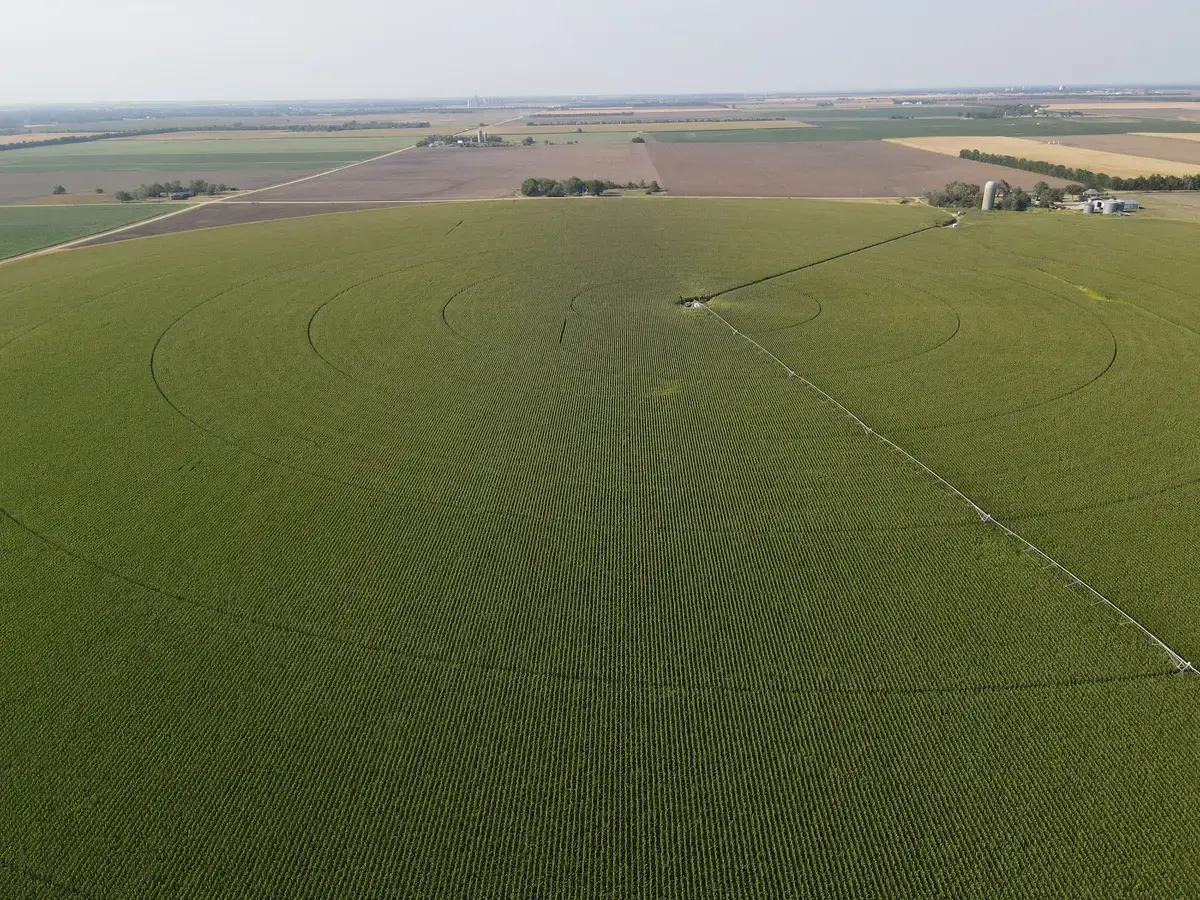 Corn ProgramDecomposer accelerates residue breakdown and supports nutrient recovery from the N, P, K, S, Ca and micronutrients already contained in the previous corn crop.See the Corn Program
 Wheat ProgramWheat is a high-fit Decomposer crop. Its residue holds nitrogen, phosphorus and other nutrients the next crop can use once biology breaks it down.See the Wheat Program
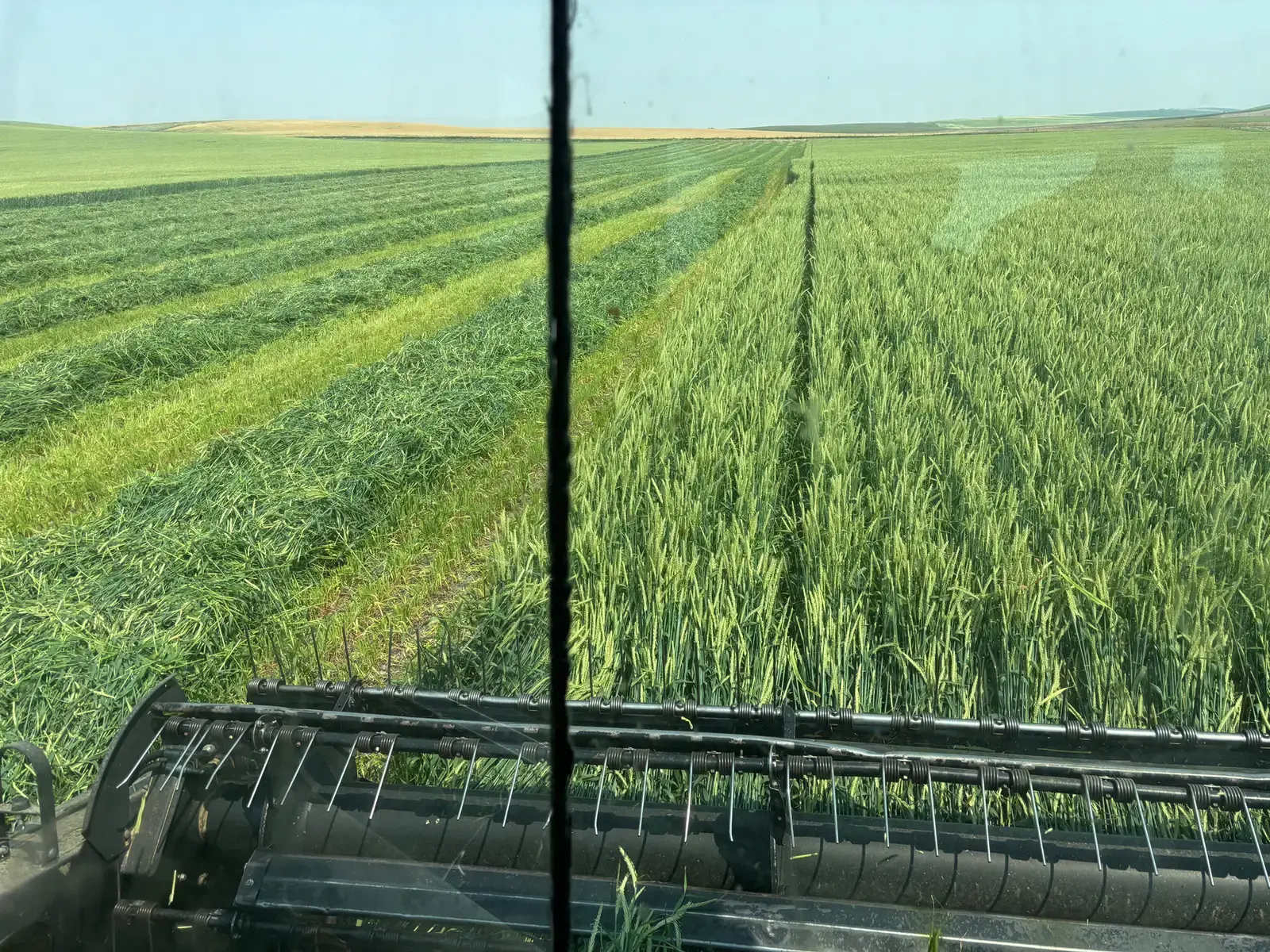 Barley ProgramBarley is a high-fit Decomposer crop. Its residue holds nutrients the following crop can use once biology breaks it down.See the Barley Program

Tell us what you're harvesting, your expected yield and what you're planting next. We'll help evaluate the nutrient recovery opportunity.
Evaluate My AcresPrefer a conversation first? Reach the Legacy Acre team directly.
(619) 370-8283 admin@legacyacre.com