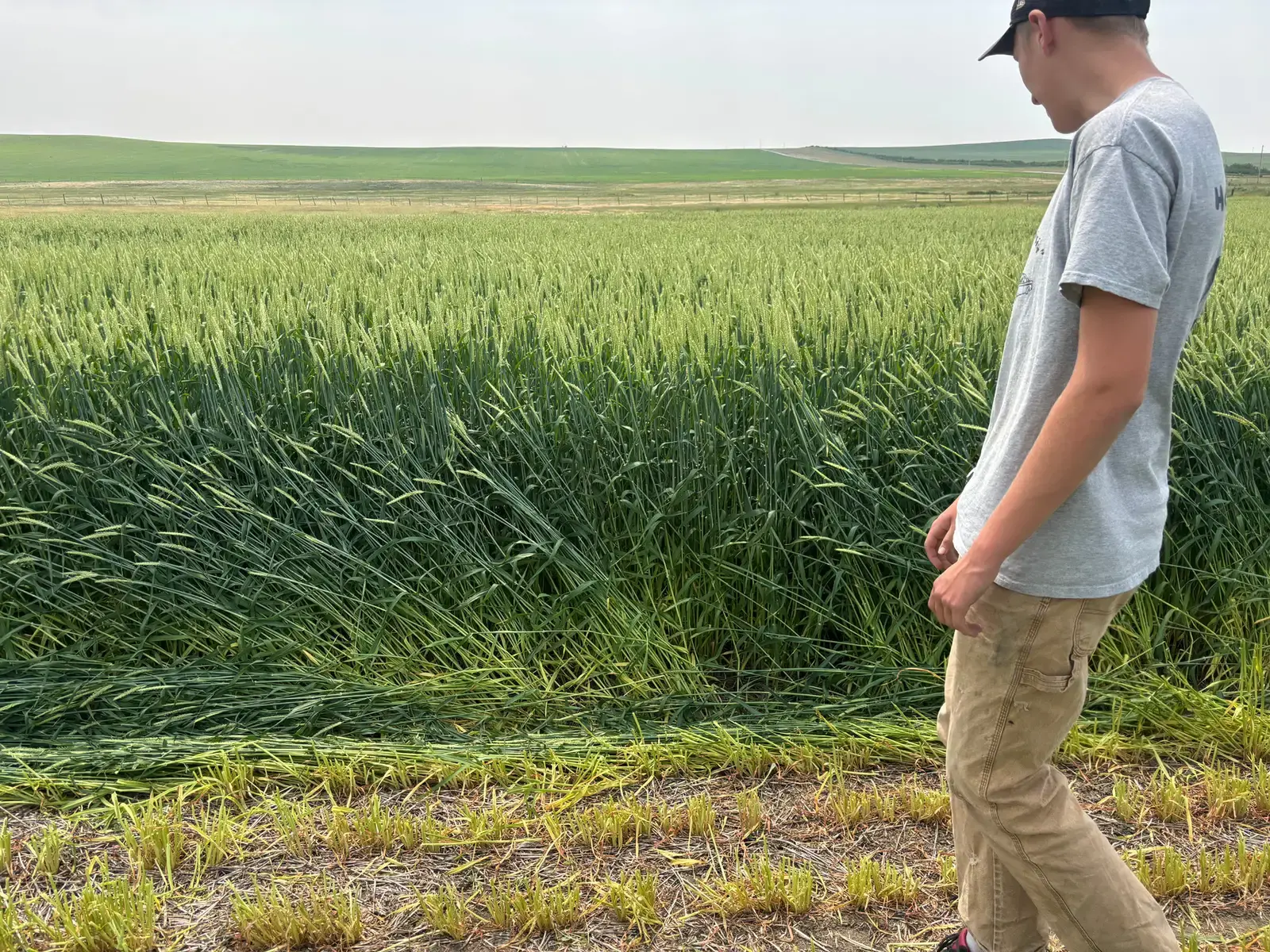
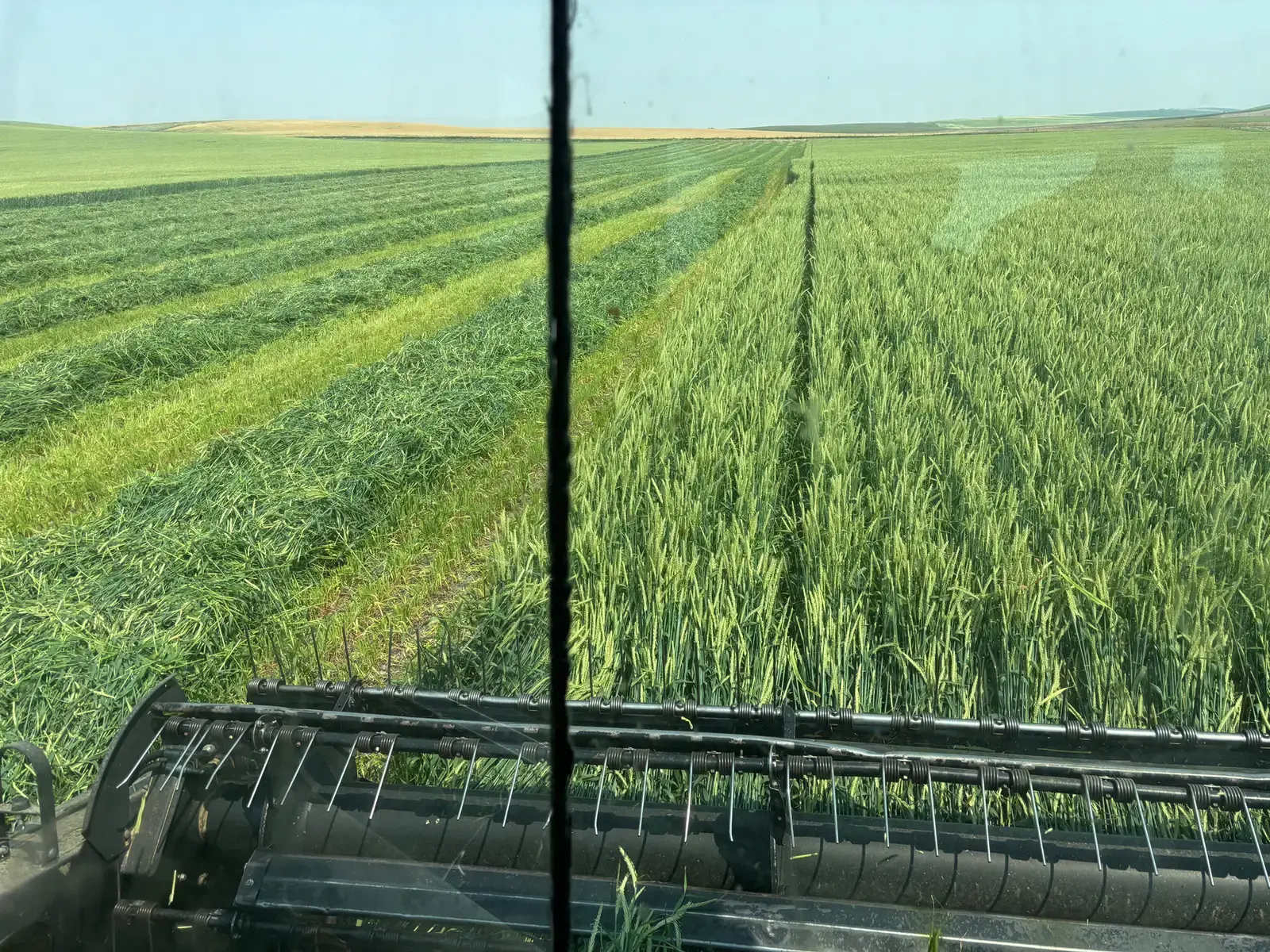
Instead of waiting for biology to establish across the entire field, Legacy Acre places targeted biology around the developing plant from the beginning.
Potential benefits
More uniform emergence
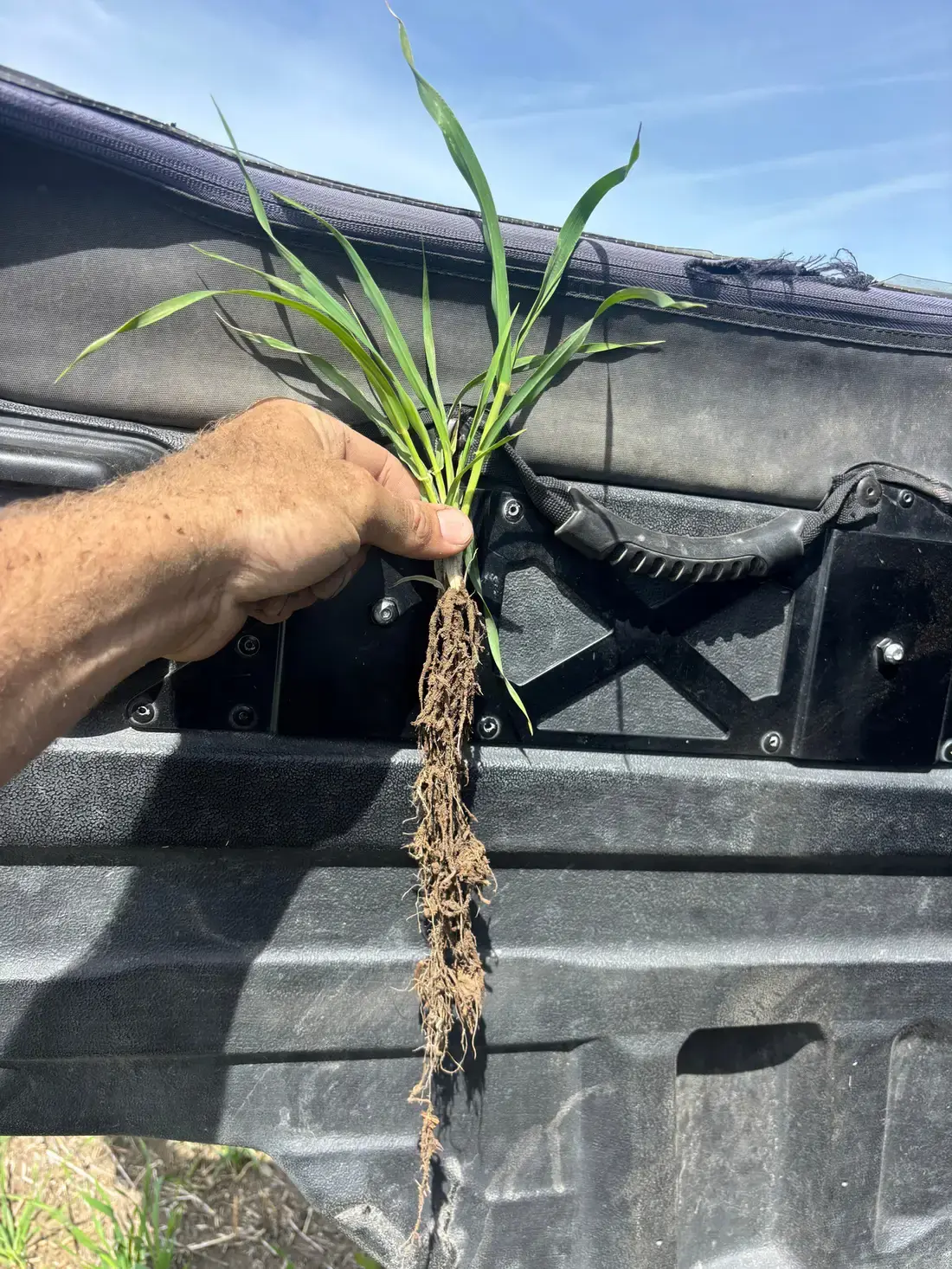
Greater root mass
Expanded root exploration
Nutrient access
Water access
Better soil-root interaction
Two Sides of the Biological System
Complementary, Not Interchangeable
Bacterial-driven biology
TCM
A microbial consortium of beneficial, primarily anaerobic microorganisms, including lactic acid bacteria, yeasts and photosynthetic bacteria, that supports biological activity, nutrient cycling, organic matter decomposition and soil health.
+
Fungal-driven biology
MetaGrow™ F
A fungal-dominant inoculant (mycorrhizal fungi) designed to establish beneficial biology around the seed and developing root system. It complements bacterial biology rather than replacing it.
=
More Complete Root-Zone Biology
Broad bacterial biology plus fungal biology: a more complete soil microbial community.
Why Fungi Matter
Think of Fungi as an Extension of the Root System
Expand the effective root network
Explore more soil
Improve nutrient and water access
Improve soil aggregation
Support nutrient availability
Support mycorrhizal relationships
RootsFungal networkNutrients reachedWater reachedIllustration: a young plant's roots occupy a small zone of soil, while the fungal network around them reaches much further to nutrients and water.
Nutrient Mining
Unlock What's Already in the Soil
Phosphorus Solubilization
Fungal and bacterial activity helps convert previously unavailable soil phosphorus into forms the plant can take up.
Nutrient Chelation
Biology helps hold micronutrients in forms that stay available to the root instead of binding up in the soil.
Biological Nitrogen Fixation
Nitrogen-fixing microbes capture nitrogen from the air and add it to the soil system.
The objective isn't simply to add more nutrients. It's to improve the plant's ability to access and use nutrients already present in the soil. That's what makes larger input reductions possible in the Legacy Acre crop programs.
Seed Treatment vs. In-Furrow
Two Ways to Place the Biology
Seed Treatment
Why
Place biology directly onto the seed.
Goal
Early fungal establishment and root development.
Best for
Operations where seed treatment can be integrated into planting preparation.
In-Furrow
Why
Place biological activity directly into the developing root zone.
Goal
Expand the biological zone and support early nutrient cycling and root interaction.
Best for
Farms with compatible in-furrow application systems.
When This Protocol Is Especially Interesting
Where Root-Zone Biology Earns Its Place
01Low-biology soils
02Poor soil structure
03Nutrient availability challenges
04Farms pushing nutrient reductions
05Drought or water-efficiency concerns
06Crops where early root establishment is critical
Lee P., Montana: consortium microbes applied in-furrow on all his spring crops to jumpstart root development.
Field Proof
Root Development in the Field
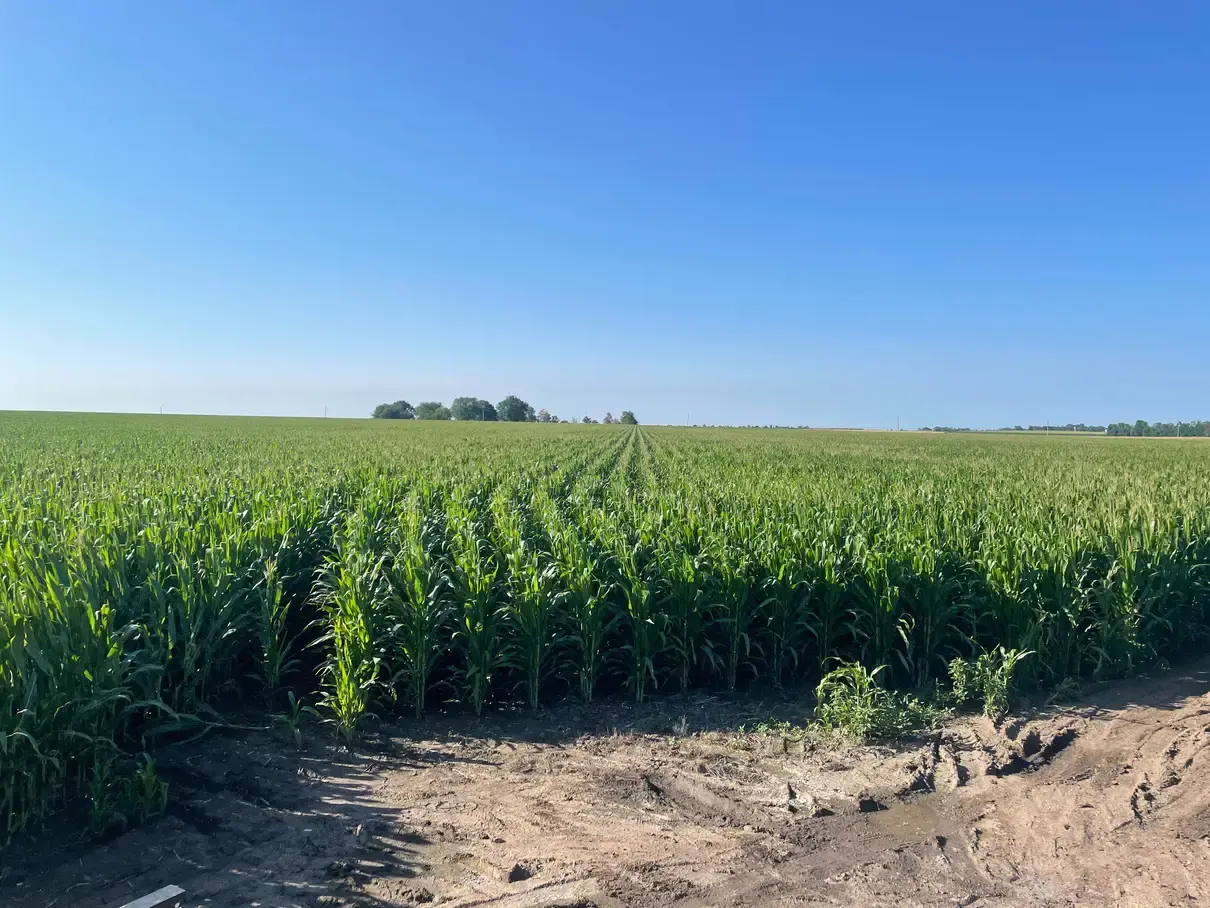
2026 corn trial · in-furrow TCM vs. an untreated test plot
Adrian · North Dakota
Yield on the field receiving in-furrow TCM
+15 bu/ac
Profit associated with the yield difference
+$75/ac
“…side-by-side I had a 15-bushel-per-acre yield bump. It didn't cost me nearly as much as any other liquid starter out there.”
One season, one side-by-side comparison in a dry year. Results vary by field.
Crop Programs
Explore Seed Treatment by Crop
See how root-zone biology fits into each crop program.