
Urea · 46% N
Conventional Nitrogen Sources
- Urea
- Ammonia
- Nitrates & ammonium
Usable by plants only after soil conversion.
~21 days to break down in the soil
- Up to 80% nitrogen loss
- Volatilization and slow breakdown
- Nitrates leaching into groundwater
Protocol · NITRO
Use Nitrogen More Efficiently.
Reduce purchased nitrogen without overhauling the fertility program that already works on your farm.
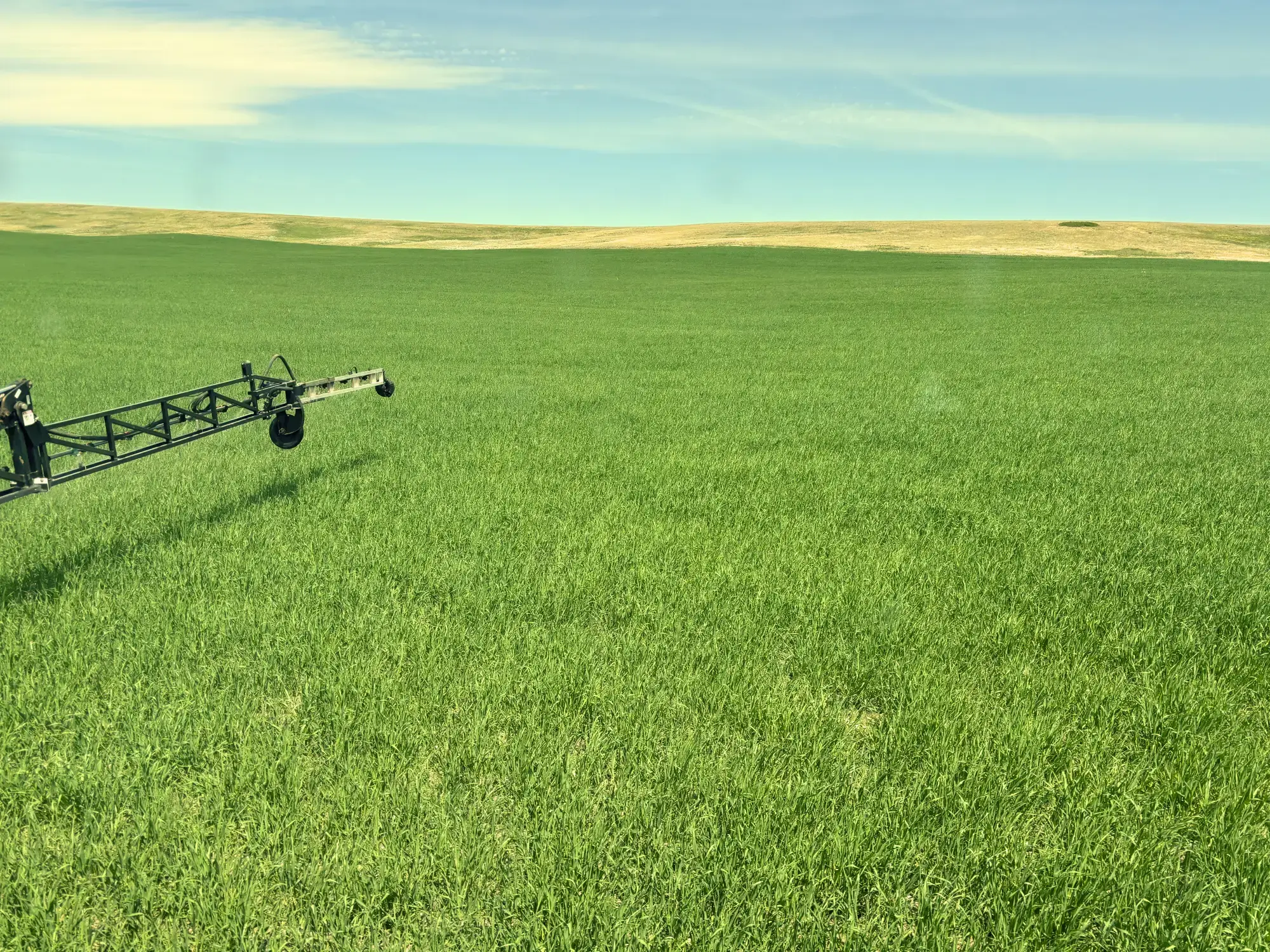
The Problem
Most nitrogen losses aren't caused by bad management. They happen because conventional nitrogen takes time to become plant-available. During that delay, nitrogen is exposed to:
Up to 80% of applied nitrogen never reaches the plant in many systems.
Urea · 46% N
Usable by plants only after soil conversion.
~21 days to break down in the soil
Fermented urea
Delivered in nitrate and ammonium form, immediately usable by plants, with amino acids acting as nitrogen transporters.
2–3 days faster nitrogen absorption
What Is NITRO?
The Nitrogen Reduction Protocol uses beneficial microbes to ferment nitrogen ahead of time, so when it's applied foliarly, the plant can take it up quickly instead of waiting weeks for soil conversion.
By shortening the window where nitrogen is vulnerable to loss, many farms can reduce applied nitrogen by 30–50%.
The goal isn't zero nitrogen. The goal is to use the nitrogen you're already paying for more efficiently.
How It Works
Beneficial microbes start the fermentation.
Urea becomes plant-available ammonium and amino acids.
Applied during vegetative growth, when the crop is using nitrogen.
Taken up through the leaf in about 2–3 days.
Part of the crop's nitrogen no longer comes from conventional sources.
Who It's For
How NITRO Is Applied
20 gal/ac seasonal program
Typically split across key crop-demand stages from early vegetative growth into early reproductive growth (V3, V6, V12 and R2), with two-pass alternatives.
See the Corn Program20 gal/ac seasonal program
On winter wheat, typically split between coming out of dormancy and about three weeks later.
See the Wheat Program20 gal/ac seasonal program
Typically split between tillering to early stem elongation and flag leaf to boot.
See the Barley ProgramThese are typical starting points. Final rates, timing and the number of passes come from the Legacy Acre agronomy team for your fields.
Equipment
No proprietary equipment. No permanent changes. If you can already apply liquid fertilizer, you can usually apply this protocol.
NITRO Field Results
Results vary by field and season. These growers documented theirs.
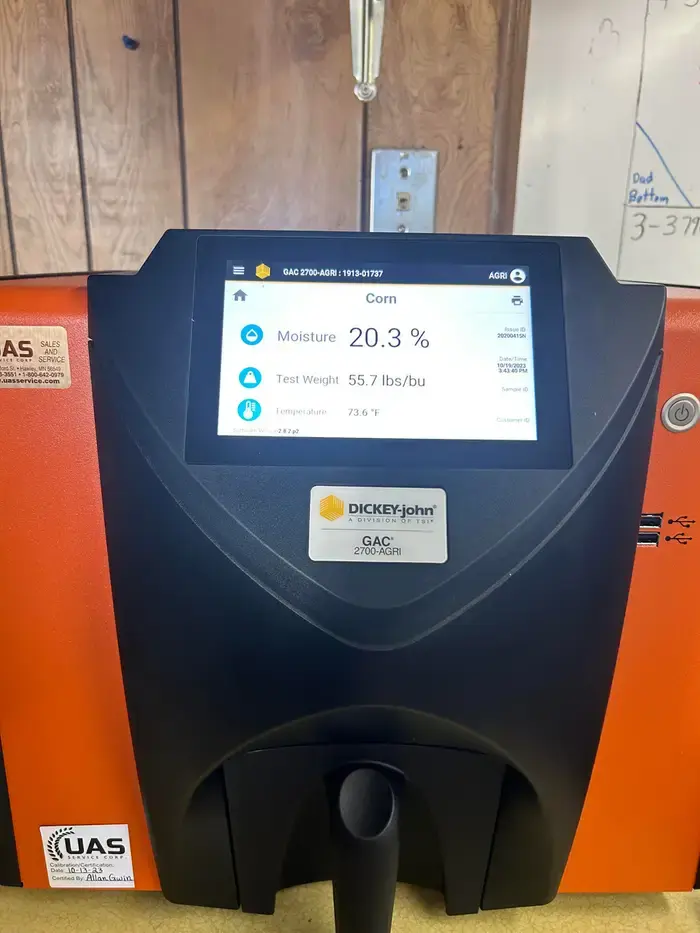
3,500-acre corn and wheat operation
Cut nitrogen in half and kept yield level with the full-rate fields.
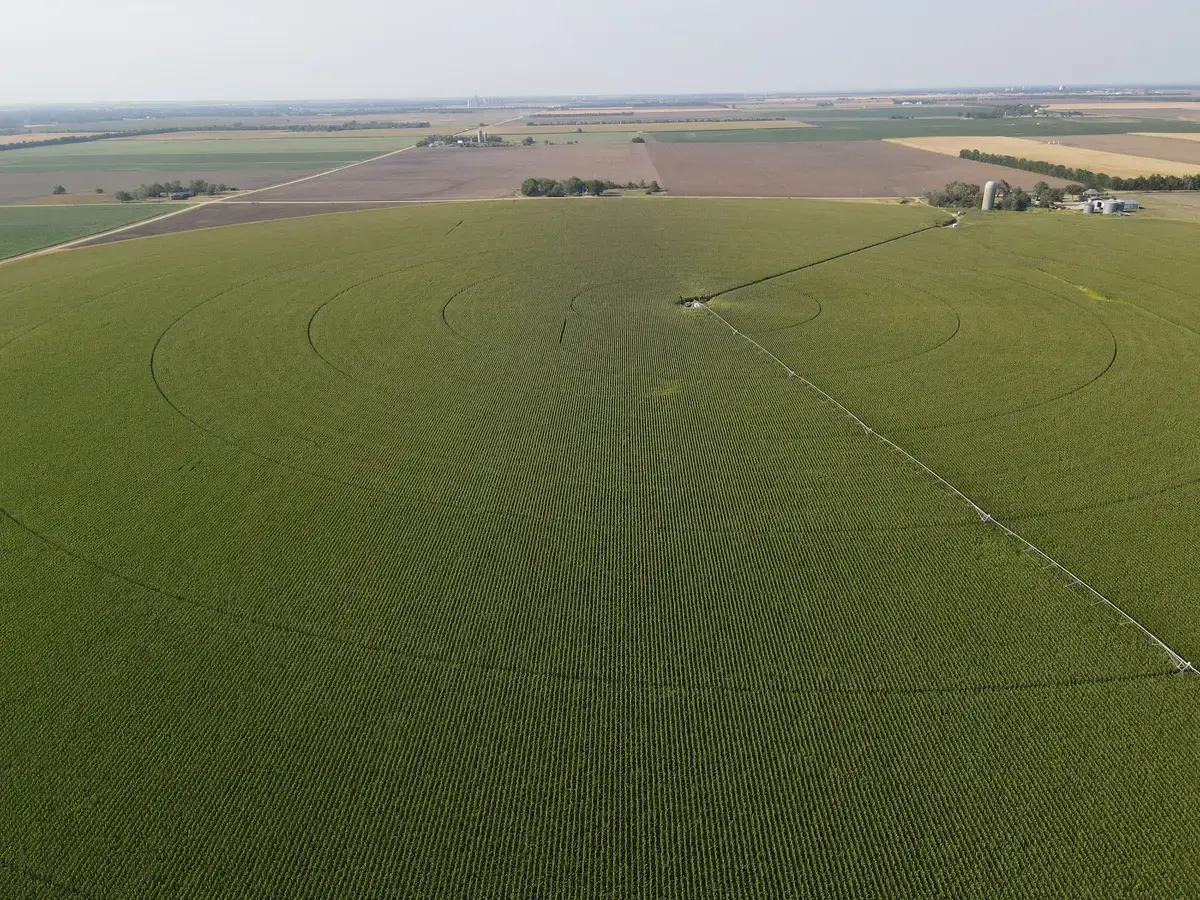
Irrigated corn
The same result two years running on the same fields: repeatable, not a one-year fluke.

5,000-acre winter wheat, spring crop and barley operation
“I was able to cut about half of our nitrogen costs, and we were still able to achieve really good yields with good quality.”
Economics
A quick, illustrative estimate from your own numbers. Your full farm estimate accounts for your nitrogen source, rates, crop and equipment.
Estimated nitrogen savings · before program cost
$33,000
Illustrative only, not a quote. Actual savings depend on your fields, nitrogen source, rates and results. Nothing you enter here is saved or sent.
Crop Programs
See how NITRO fits into each crop program.
Corn ProgramTypical corn program: 20 gal/ac seasonal program, with final timing customized to the operation.See the Corn Program Wheat ProgramTypical winter wheat program: a 20 gal/ac seasonal program split between coming out of dormancy and about three weeks later, customized to the farm.See the Wheat Program 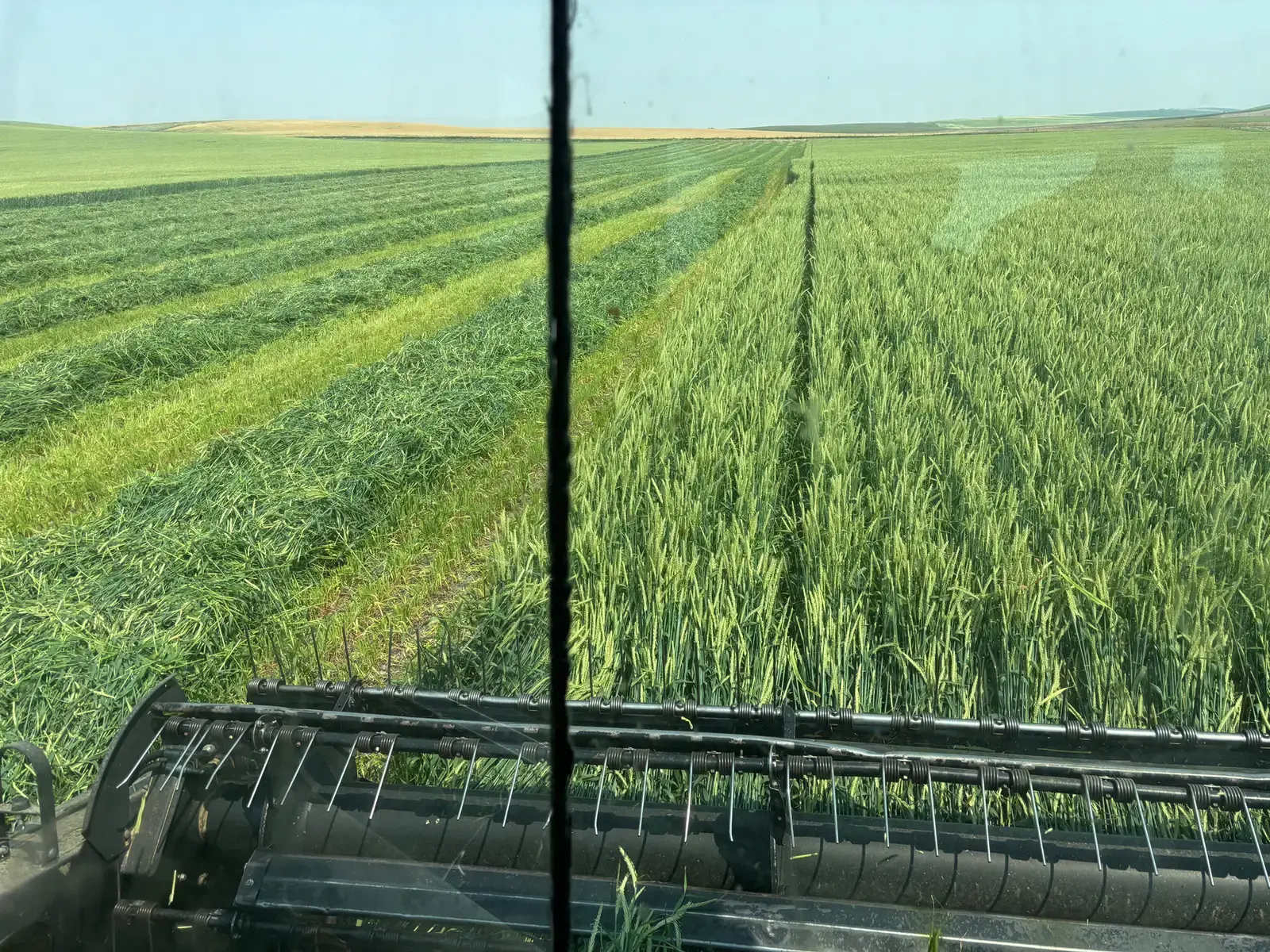 Barley ProgramTypical barley program: a 20 gal/ac seasonal program split between tillering to early stem elongation and flag leaf to boot, customized to the farm.See the Barley Program

We'll review your acres, current nitrogen program, crop and equipment, and build the reduction opportunity around your farm.
Start My Farm ReviewPrefer a conversation first? Reach the Legacy Acre team directly.
(619) 370-8283 admin@legacyacre.com